Thin Box: The Slim Template for Long Creative Projects
Finding the right packaging solution for long, slender items often feels like an unnecessary hurdle in the creative process. Whether you are a musician trying to protect a handmade flute, a gardener packaging saplings, or a designer creating a unique gift set with incense sticks, standard boxes rarely fit the bill without excessive waste or awkward empty space. This is where Thin Box changes the workflow. It is a specialized, space-efficient box template designed specifically to accommodate long, slim objects with precision and style. By eliminating the guesswork of sizing and structural integrity, this tool allows creators to focus on the aesthetics and functionality of their final product rather than struggling with cardboard engineering.
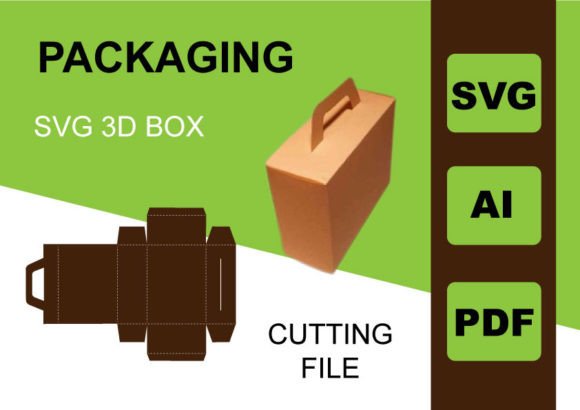
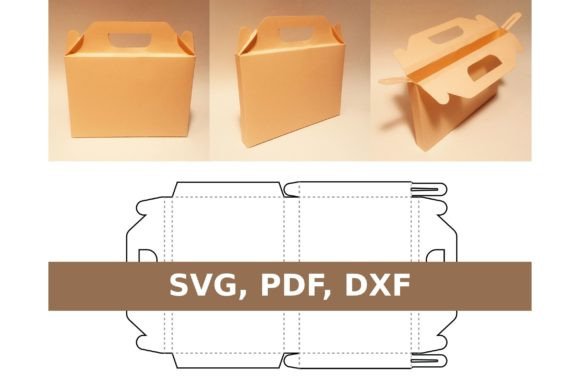
The core appeal of Thin Box lies in its versatility and accessibility. It is not just a single file format locked behind expensive software; it is a comprehensive package built for the modern maker ecosystem. The template is fully compatible with industry-standard cutting machines like Silhouette and Cricut, making it accessible to hobbyists and small business owners alike. Furthermore, its ability to be printed on any paper size—from standard Letter and A4 to the larger A3—means you are not restricted by your printer's limitations. Whether you are working from a home office or a professional studio, the files adapt to your available resources. The package includes a robust suite of formats: DXF files for precise vector cutting, SVG files for web-friendly design integration, JPG files for visual previews, PDFs pre-scaled for A4, A3, and Letter sizes, and even a TXT file containing detailed Cricut instructions. This breadth of support ensures that no matter your technical proficiency or equipment, you can start creating immediately.
Unlocking Creative Possibilities Beyond Basic Storage
While the primary function of Thin Box is protective storage, its potential extends far into the realm of branding and artistic expression. For entrepreneurs and marketers, packaging is often the first physical touchpoint a customer has with a brand. A generic tube or a loose plastic bag fails to convey quality, but a custom-fitted Thin Box signals attention to detail. Consider a boutique candle maker selling hand-rolled taper candles. Using this template, they can create a sleek, minimalist sleeve that highlights the product's length while providing rigid protection during shipping. The slim profile reduces shipping volume, potentially lowering postage costs—a critical factor for e-commerce businesses operating on thin margins.
Educators and workshop leaders can also leverage Thin Box for organizational purposes. Imagine an art teacher distributing charcoal sticks, paintbrushes, or knitting needles to students. Instead of using bulky containers that take up valuable desk space, these tools can be housed in personalized Thin Boxes labeled with student names or project types. The template's clean lines allow for easy customization; users can add logos, patterns, or instructional text directly onto the flat layout before cutting. This turns a simple storage unit into a learning tool or a branded takeaway that students are likely to keep and reuse.
Adapting the Template for Diverse Materials and Styles
One of the most practical aspects of Thin Box is its material agnosticism. Because the template relies on score lines and cut paths rather than complex interlocking mechanisms that require specific thicknesses, it works with a wide variety of substrates. You might choose heavy cardstock for a premium unboxing experience, corrugated cardboard for durable shipping of fragile items like glass flutes, or even decorative patterned paper for holiday gifts. The key to success here is testing your material settings on your cutting machine. Since the package includes a TXT file with Cricut instructions, users have a solid baseline for dialing in pressure and blade depth, ensuring crisp folds and clean cuts every time.
Designers can approach the aesthetic of the box in multiple ways. For a high-end luxury feel, consider using textured, dark-colored paper with foil accents applied before assembly. For an eco-conscious brand, unbleached kraft paper with simple black ink stamping creates an organic, grounded look. The slim nature of the box means that the surface area is limited, so every design element counts. Typography should be bold and legible, and graphics should be simplified to avoid clutter. Remember that the box will be viewed from multiple angles as it is turned in the hand, so consistency across all panels is essential for a professional finish.
Practical Applications Across Industries
The utility of Thin Box spans numerous sectors, proving that a simple tool can solve complex logistical problems. Here are several realistic scenarios where this template shines:
- Musical Instrument Makers: Artisans crafting flutes, recorders, or drumsticks can package their instruments in custom-branded boxes that offer superior protection compared to soft cases, enhancing the perceived value of the instrument.
- Culinary Professionals: Chefs and bakers selling long breadsticks, cinnamon sticks, or gourmet chocolate rods can use these boxes to create elegant gift sets that stand out on retail shelves.
- Event Planners: For weddings or corporate events, Thin Box can house sparklers, glow sticks, or rolled-up itineraries, serving as both a functional item and a favor guest will appreciate.
- Gardening Suppliers: Nurseries can package seedling stakes, bamboo supports, or dried flower stems in uniform boxes that stack neatly for transport and display.
- Office Organizers: Freelancers and remote workers can use these boxes to store rulers, pens, or tech accessories, keeping workspaces tidy and supplies easily accessible.
Ensuring Consistency and Quality in Production
When moving from a single prototype to a small production run, maintaining consistency is vital. The inclusion of PDF files in A4, A3, and Letter sizes facilitates this by allowing you to choose the most efficient layout for your printer. If you are producing fifty boxes for a market stall, printing on A3 paper might allow you to fit multiple templates on one sheet, reducing paper waste and cutting time. Always ensure your printer settings are set to "actual size" or "100% scale" to prevent distortion, which could lead to folding issues later.
Organization is another pillar of effective production. Keep your digital assets orderly; separate the DXF and SVG files by project version if you make modifications. When cutting, batch your materials. Cut all the outer shapes first, then switch to the scoring tool if your machine requires it, rather than swapping tools for every single box. This workflow minimizes machine downtime and reduces the risk of human error. Additionally, create a physical jig or folding guide if you are assembling large quantities. A simple wooden block with right-angle corners can help you crease the score lines sharply and uniformly, ensuring every box looks as professional as the last.
Ultimately, Thin Box is more than just a digital file; it is an enabler of creativity and efficiency. It bridges the gap between a raw idea and a tangible, polished product. By providing a reliable structure for long, slim objects, it frees creators to experiment with materials, branding, and presentation without worrying about structural failure. Whether you are a seasoned designer looking to streamline your packaging workflow or a hobbyist seeking a clever way to gift a handmade item, this template offers the flexibility and precision needed to bring your vision to life. Embrace the constraints of the slim form factor, and you may find they inspire some of your most innovative designs yet.