Crafting Depth: The Shadow Box Letter P SVG Template
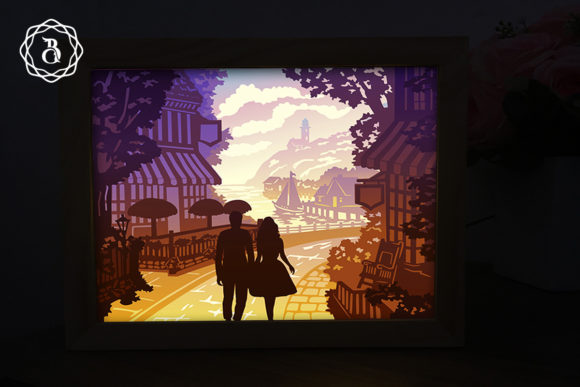
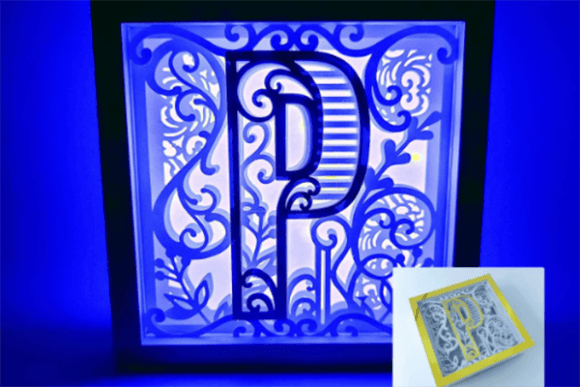
There is a distinct satisfaction in transforming flat materials into objects with genuine depth and dimension. While digital design often keeps us glued to screens, the Shadow Box Alphabet Letter P SVG File invites you back to the tactile world of paper crafting. This isn't just a cut file; it is an engineered template designed to create a layered, three-dimensional effect that catches light and casts soft shadows. Visually, the result is striking. The letter "P" emerges from the background through multiple strata of cardstock, creating a sense of volume that a standard printout simply cannot achieve. The style is clean yet intricate, relying on the interplay of light and shadow rather than heavy ornamentation to make its statement. It appeals to those who appreciate modern typography but want to add a handcrafted, bespoke touch to their decor or gifts.
The personality of this project lies in its versatility. Whether you are aiming for a nursery aesthetic with soft pastels or a sophisticated office display using metallic tones, the structure remains robust. The visual hierarchy is built physically; the front layers command attention while the recessed layers provide context and depth. For brand strategists and content creators, understanding this physical hierarchy translates well to digital concepts—knowing how to layer elements to guide the viewer's eye is a fundamental skill in both editorial design and physical craft. This template serves as a practical exercise in spatial awareness, proving that sometimes the most impactful design assets are the ones you can hold in your hands.
Optimizing Materials for Light and Structure
To achieve the intended ethereal glow and structural integrity of the shadow box, material selection is critical. The template is engineered specifically for standard 12x12 inch cardstock, resulting in a finished assembled size of 7x7 inches. However, flexibility is built into the design; it can be resized for 8.5x11 inch cardstock to produce a compact 5x5 inch version, making it accessible for those with smaller cutting mats or limited supplies.
The core of the illusion relies on translucency. You will need approximately 10 sheets of white or light-colored cardstock. The weight matters significantly here; I recommend white opaline between 65-80 lb. This specific weight is heavy enough to hold its shape without warping under the tension of the layers, yet thin enough to allow light to pass through effectively. If the paper is too thick, the light gets blocked, and the "shadow" effect becomes muddy. If it is too thin, the layers may collapse or tear during assembly.
Equally important is the inclusion of a single sheet of Acetate (0.35 mm or less). This transparent layer is often placed at the very front or interspersed within the layers to protect the interior while maintaining visibility. For the frame, a single sheet of metallic cardstock, glitter paper, or a bold solid color provides the necessary contrast to anchor the piece. When selecting adhesives, avoid standard school glue which can warp paper due to moisture content. A solvent-based adhesive like UHU is ideal because it bonds instantly to both the acetate and the paper without causing buckling. Double-sided tape is also excellent for keeping layers perfectly parallel, which is essential for uniform shadow distribution.
Applications Beyond Home Decor
While often categorized strictly under hobbyist crafts, the utility of the Shadow Box Letter P Format SVG extends into professional realms. For small business owners and entrepreneurs, these shadow boxes serve as high-value product photography props. Placing a product inside or alongside a customized initial adds a layer of sophistication to social media graphics and marketing materials. It signals attention to detail and a commitment to quality—traits that resonate deeply with consumers.
In the context of packaging design, the principles used here—layering, depth, and material interaction—are directly applicable. Understanding how light interacts with these paper layers can inspire unique unboxing experiences for physical products. Furthermore, for event planners and wedding coordinators, these letters function as elegant table markers or centerpiece components. They offer a personalized touch that feels luxurious without the prohibitive cost of custom manufacturing.
From a branding perspective, consistency is key. If your brand identity relies on clean lines and modern aesthetics, a shadow box monogram aligns perfectly with that visual language. It reinforces brand recognition in physical spaces, such as pop-up shops or trade show booths, where standing out is crucial. The tactile nature of the object engages the audience in a way that flat signage cannot, encouraging interaction and prolonging engagement time.
Assembly Precision and Visual Impact
The success of this project hinges on precision. Because the design relies on stacking multiple identical or near-identical shapes, even a millimeter of misalignment can disrupt the visual flow. Using a bone folder to crisp the edges of each cut layer ensures that the sides of the "tunnel" created by the stacked paper are smooth and uniform. This smoothness is what allows the light to travel cleanly from the back to the front.
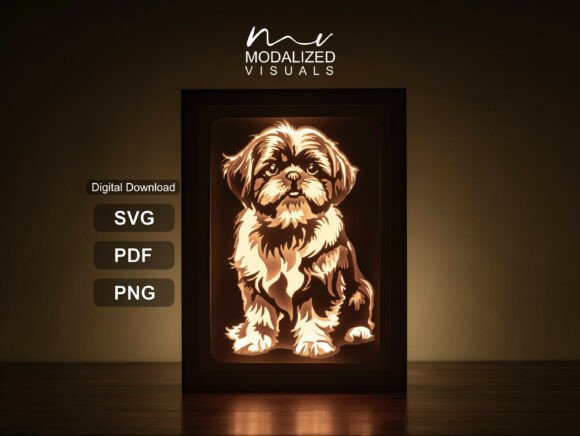
When integrating fairy lights, the placement determines the mood. Embedding the string lights behind the final layer of cardstock but before the backing board creates a soft, diffused glow that makes the letter appear to float. For a more dramatic effect, weaving the lights slightly between the middle layers can highlight specific contours of the letterform. This manipulation of light is a practical lesson in modern typography and display techniques, showing how illumination alters the perception of form.
Readability in this context is not about font size, but about contrast and depth. The shadow box format naturally enhances legibility by separating the subject from the background. In a cluttered visual environment, this separation ensures the message is received instantly. For designers, this is a reminder that whitespace (or in this case, "shadowspace") is an active element of design, not just empty area. It frames the content and directs focus.
Scaling and Commercial Considerations
One of the strongest advantages of using an SVG format for this project is scalability. Unlike raster images that pixelate when enlarged, the Shadow Box Alphabet Letter P SVG File maintains crisp vector paths regardless of size. This allows crafters to adapt the design for large-scale installations, such as lobby art for offices or oversized nursery decor, simply by adjusting the settings in their cutting software and sourcing larger material sheets.
For those looking to monetize their crafting skills, understanding licensing is paramount. When utilizing templates for commercial projects—such as selling finished shadow boxes at craft fairs or on Etsy—it is essential to review the specific license attached to the digital file. Most premium design assets come with clear guidelines regarding personal versus commercial use. Ensuring compliance protects your business and respects the intellectual property of the original designer.
Furthermore, consider the durability of the final product if it is intended for sale or long-term display. Sealing the edges with a clear coat or ensuring the frame is tightly sealed against dust can extend the lifespan of the piece. For clients purchasing these items, longevity and finish quality are often the deciding factors in perceived value. By treating the assembly process with the same rigor as a professional logo design or print production run, you elevate the final output from a simple craft project to a polished design object.
Ultimately, whether you are a seasoned crafter or a designer exploring new mediums, this template offers a bridge between digital precision and analog warmth. It demonstrates that effective communication doesn't always require a screen; sometimes, it requires nothing more than paper, light, and a keen eye for detail. The included video tutorial serves as a vital companion, walking you through the nuances of layering and adhesion that text alone cannot fully convey. By mastering this format, you add a powerful tool to your creative arsenal, capable of bringing depth to any project, literal or metaphorical.