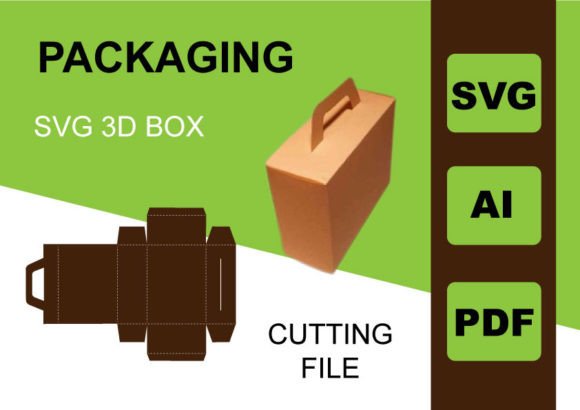
Mastering Professional Presentation with a Briefcase Box Template
In the realm of physical product creation and gifting, the difference between a standard delivery and a memorable experience often lies in the packaging. For professionals, small business owners, and creative entrepreneurs, the Briefcase Box Template serves as a critical asset in elevating brand perception and ensuring product safety. This digital resource is not merely a shape to be cut out; it is a foundational element of a broader workflow that spans from initial design conception to the final handover of a gift or product. Understanding how to integrate this template into your existing processes can streamline production, reduce material waste, and enhance the overall quality of your output.
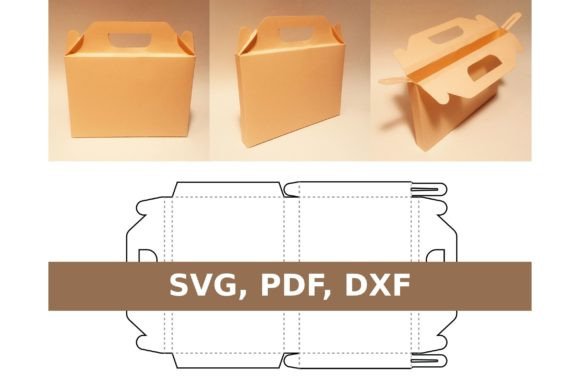
A briefcase-style box is distinct from standard rectangular cartons. Its handle feature and structured form factor evoke a sense of professionalism, portability, and premium value. Whether you are packaging artisanal goods, creating corporate gift sets, or designing educational kits for students, the utility of this specific box style is unmatched. However, leveraging its full potential requires more than just printing a file; it demands a strategic approach to file management, material selection, and assembly integration.
Integrating Digital Assets into Your Production Workflow
The journey begins with the acquisition of the digital files. When you download a high-quality Briefcase Box Template, you are typically receiving a zipped folder containing multiple file formats: PDF, AI, SVG, and EPS. Each of these formats plays a specific role in a professional workflow, and knowing which one to use at which stage is vital for efficiency.
For those utilizing vector-based design software like Adobe Illustrator, the AI file is the primary working document. This format allows for complete editability. You can adjust dimensions to fit unique product sizes, modify fold lines for different cardstock thicknesses, or incorporate complex branding elements directly into the structure. The EPS file serves a similar purpose but offers broader compatibility with other vector editing platforms, ensuring that legacy systems or alternative software users can still access the core geometry of the design without losing resolution.
On the other hand, the SVG file has become indispensable for makers using digital cutting plotters such as Cricut or Silhouette. These machines rely on clean vector paths to execute precise cuts. The inclusion of an SVG file in the package means that hobbyists and small-scale producers can bypass manual measuring and cutting entirely. This compatibility ensures that the intricate details of the briefcase handle and locking mechanisms are reproduced accurately every time, maintaining consistency across large batches.
Finally, the PDF file acts as the universal fallback. It is ideal for quick proofs, sending previews to clients, or printing directly on home or office printers when vector editing is unnecessary. Having all four formats in a single download eliminates the friction of converting files later, allowing you to move immediately from download to execution.
Strategic Applications Across Different Phases
The implementation of a briefcase box template varies significantly depending on where you are in your project lifecycle. It can function as a planning tool, a production asset, or a final presentation layer.
Pre-Project Planning and Prototyping
Before committing to expensive materials or mass production, the template serves as an excellent prototyping tool. By printing the PDF version on standard paper, you can assemble a mock-up to test the fit of your intended contents. This step is crucial for verifying dimensions. A briefcase box must accommodate its contents snugly without being too tight, which could damage the items, or too loose, which compromises the structural integrity during transport. Using the template early in the process helps identify potential design flaws, such as handle stress points or flap interference, saving time and resources before the actual production run begins.
During Production and Branding
Once the dimensions are confirmed, the template moves into the production phase. This is where the high-resolution 300 DPI quality becomes essential. Whether you are offset printing thousands of units or using a high-end inkjet printer for a limited run, sharp lines and clear score marks are non-negotiable. Blurry fold lines lead to crooked assemblies and an unprofessional finish.
At this stage, the template interacts with your branding assets. The flat surface area of a briefcase box provides ample real estate for logos, patterns, and instructional text. Because the file is vector-based (in AI, SVG, and EPS formats), you can scale your graphics up or down without any loss of quality. This flexibility allows marketers and designers to create seasonal variations or customized versions for different clients without needing to redraw the box structure from scratch.
Post-Project: Gifting and Delivery
The ultimate goal of using a Briefcase Box Template is often the final presentation. In a corporate setting, these boxes are ideal for executive gifts, conference swag, or employee recognition packages. The handle feature adds a layer of convenience, making the gift easy to carry and immediately recognizable as a special item. For educators, these boxes can transform a standard lesson kit into an engaging "mission pack" for students, increasing excitement and participation. The durability of the assembled box also ensures that the contents remain protected until they reach the recipient, reducing the risk of damage during shipping or handling.
Optimizing Material Selection and Assembly
The success of the final product depends heavily on the synergy between the digital template and the physical materials used. Not all cardstock behaves the same way. When working with a briefcase design, which often involves multiple layers at the handle and base, material thickness is a critical variable.
- Lightweight Cardstock (65-80 lb): Best for decorative boxes containing lightweight items like stationery, tea bags, or small cosmetics. It folds easily but may lack the rigidity needed for heavier loads.
- Medium Weight Cardstock (90-110 lb): The sweet spot for most general-purpose briefcase boxes. It offers a good balance between foldability and structural strength, suitable for gift sets and retail packaging.
- Heavy Duty Board (12pt+): Required for boxes intended to carry significant weight, such as glass bottles or tech accessories. When using thicker materials, you may need to adjust the score lines in the AI or EPS file to prevent cracking along the folds.
Consistency in assembly is another factor that defines quality. If you are producing these boxes in volume, creating a standardized folding and gluing routine is essential. Using bone folders for crisp creases and high-tack adhesives for secure bonds ensures that every unit meets the same standard. The template's design usually includes tabs and slots that interlock, minimizing the need for excessive glue, but understanding where reinforcement is necessary prevents structural failure later.
Long-Term Usability and Organization
From an organizational standpoint, keeping your digital assets well-managed is part of the professional workflow. Since the download includes a zipped folder with separate files, it is advisable to unpack and organize them immediately into your project directory. Labeling files clearly (e.g., "Briefcase_Box_v1_AI," "Briefcase_Box_v1_SVG") prevents confusion when revisiting the project months later for a re-order or modification.
Furthermore, the reusability of these templates offers long-term value. Once you have mastered the assembly process for one size, you can easily adapt the vector files to create a family of sizes—small, medium, and large—that maintain a consistent brand look. This scalability is particularly useful for businesses that expand their product lines over time. Instead of sourcing new packaging solutions for each new product, you simply adjust the parameters of your existing template.
In conclusion, the Briefcase Box Template is more than a simple cut-and-fold diagram; it is a versatile tool that supports a wide range of professional and creative endeavors. By understanding the specific roles of the included file formats, selecting the appropriate materials, and integrating the template into a structured workflow, you can achieve high-quality results that enhance your brand and delight your recipients. Whether used for a one-off gift or a large-scale commercial run, the precision and professionalism offered by this resource make it an invaluable addition to your toolkit.