Mastering the Easy Alstroemeria Peruvian Lily Paper Flower Templates for Realistic Bouquets
Creating lifelike paper florals is an art form that balances precision with patience. Among the most sought-after blooms for intermediate crafters is the Alstroemeria, also known as the Peruvian Lily. Its distinctive spotted petals and complex structure offer a rewarding challenge that elevates any arrangement. However, many enthusiasts stumble not because they lack talent, but because they overlook critical details in their template selection and assembly process. The Easy Alstroemeria Peruvian Lily Paper Flower Templates are designed to bridge the gap between beginner simplicity and professional realism, yet even with high-quality digital files, common pitfalls can compromise your final result.
When you invest in digital floral assets, you are buying more than just shapes; you are purchasing a workflow. Understanding how to properly utilize these resources—whether they come in SVG, JPG, PDF, or Studio formats—is essential for efficiency and satisfaction. This guide addresses the frequent misunderstandings surrounding these templates and offers practical corrections to ensure your paper flowers look nothing like crafts and everything like nature.
Misunderstanding the Scope of the Template Package
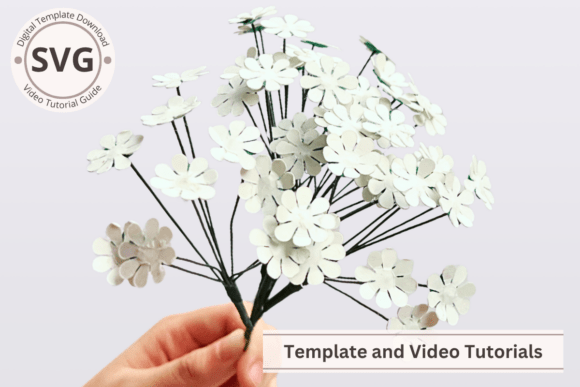
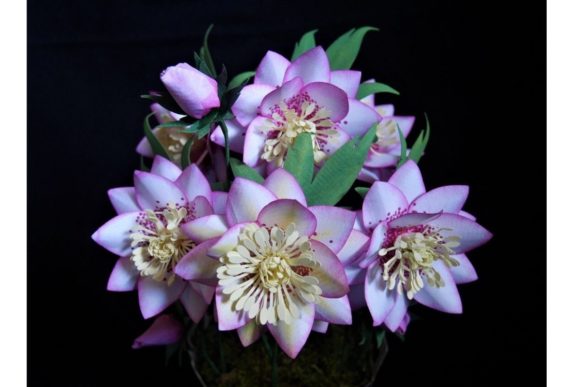
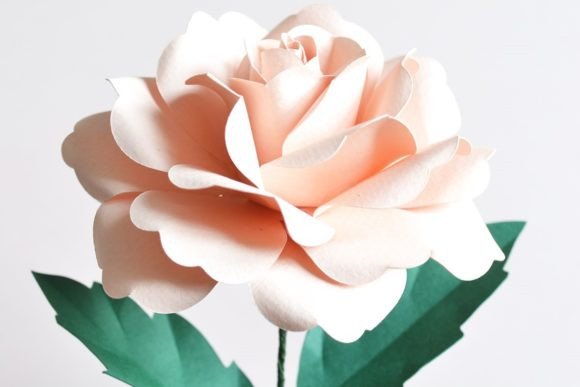
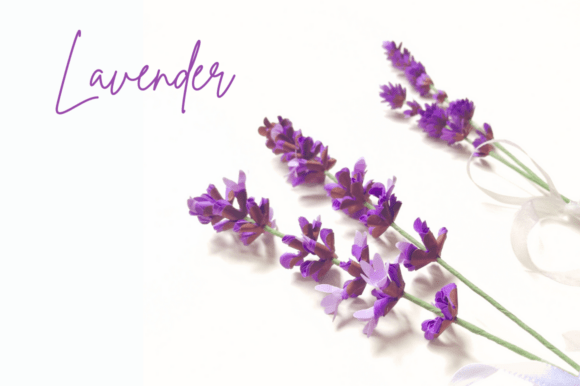
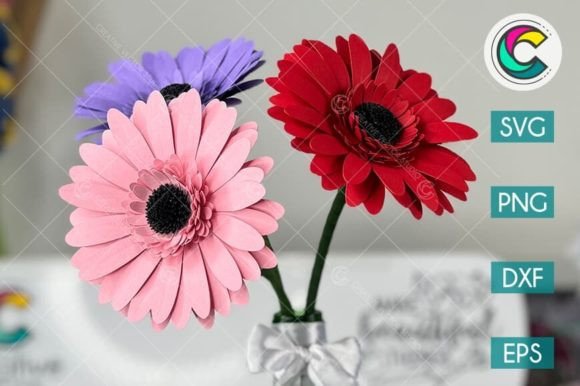
One of the most frequent sources of confusion arises from expectations regarding what is included in the download. It is vital to note that the specific product discussed here contains only the Easy Alstroemeria Peruvian Lily. A common mistake buyers make is assuming that every flower visible in promotional preview images is part of the same package. Often, additional blooms shown in lifestyle shots or bouquet arrangements are there solely for inspiration, demonstrating how the Alstroemeria integrates with other varieties from creators like Maison Gregoria.
Why this matters: If you purchase this template expecting a full bouquet kit, you may feel misled upon download. This misunderstanding can lead to frustration and wasted time searching for missing pieces.
The better approach: Always read the product description carefully. Use the preview images as a vision board for potential combinations, but verify exactly which species are included in the digital delivery. If you wish to create the full arrangement seen in photos, check the creator’s shop for complementary templates. This proactive step ensures you have all necessary components before you begin cutting, allowing for a cohesive design process.
Overlooking File Format Compatibility
Digital templates often arrive in multiple formats, such as SVG, JPG, PDF, and proprietary files like Studio format. Beginners frequently default to JPG or PDF because they are universally viewable, ignoring the advantages of vector files like SVG. While raster images (JPG) are fine for manual tracing, they lack the scalability and precision required for clean machine cutting.
The impact on quality: Using low-resolution images for cutting can result in jagged edges and imprecise petal shapes. For a flower as delicate as the Peruvian Lily, where petal curvature and tip definition are crucial, poor cut lines can ruin the realistic effect. Furthermore, ignoring the Studio format if you use compatible software means missing out on pre-arranged layers that save significant setup time.
Practical advice: Assess your tools before downloading. If you use a digital cutting machine like Cricut or Silhouette, prioritize the SVG file. If you are hand-cutting, the PDF may offer better print clarity. Take a moment to test-import the files to ensure they scale correctly without distortion. This small verification step prevents hours of troubleshooting later.
Neglecting the Importance of the Video Tutorial
This product is rated at a Medium difficulty level. This rating is not arbitrary; it reflects the nuanced assembly required for the stamen and layered petals. A critical error many makers commit is skipping the included video tutorial, relying instead on static images or intuition. Paper flowers involve three-dimensional shaping that two-dimensional templates cannot fully convey.
Consequences of skipping instructions: Without guidance on curling techniques, adhesive placement, and layering order, your Alstroemeria may appear flat or structurally unsound. The stamen, in particular, requires careful handling to achieve the natural protrusion characteristic of the real flower. Rushing this stage often leads to a messy center that detracts from the bloom's elegance.
How to avoid this: Watch the video tutorial in its entirety before making your first cut. Pause and rewind during complex steps, such as attaching the leaves or shaping the inner petals. Treat the tutorial as a masterclass rather than an optional extra. This investment of time upfront drastically improves the professionalism of your final piece.
Choosing the Wrong Paper Weight and Texture
Even with perfect templates and precise cutting, the wrong material choice can undermine your efforts. Alstroemeria petals have a specific translucency and flexibility. Using cardstock that is too heavy will result in stiff, unnatural blooms that resist shaping. Conversely, paper that is too thin may tear during the curling process or fail to hold its form.
Effect on presentation: Incorrect paper weight affects how light interacts with the flower. Real Peruvian Lilies have a delicate sheen and subtle vein structures. Heavy, matte cardstock can look dull and cardboard-like, breaking the illusion of realism.
Recommendation: Opt for high-quality crepe paper or lightweight cardstock specifically designed for florals. Test a single petal first to see how it responds to stretching and curling tools. If the paper cracks or resists shaping, switch to a lighter grade. Remember, the goal is to mimic organic movement, which requires material that cooperates with your hands.
Ignoring Color Theory and Natural Variation
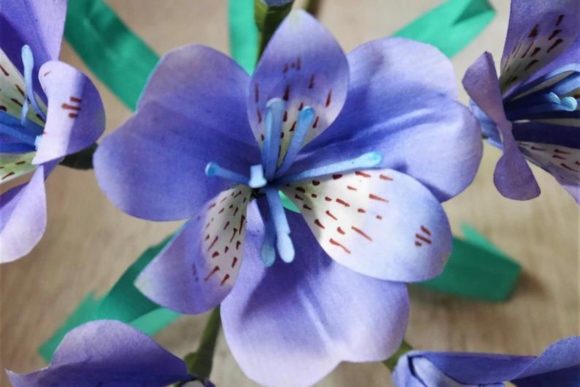
A subtle but powerful detail in creating realistic Alstroemerias is color variation. Real flowers are rarely a single, flat hue. They feature gradients, spots, and veins. A common oversight is using solid-colored paper without adding depth through ink, pastels, or paint.
Impact on realism: Flat colors signal "craft project" rather than "botanical art." The distinctive spotting on Alstroemeria petals is its signature trait. Ignoring this detail makes the flower generic and less recognizable.
Better practice: Use the template as a base, but enhance it with hand-finishing techniques. Add subtle shading to the petal bases and carefully paint or stamp the characteristic spots. Refer to reference photos of real Alstroemerias to understand where shadows naturally fall. This attention to detail transforms a good paper flower into an exceptional one.
Final Checks Before You Begin
Before committing to a full bouquet, take a moment to evaluate your workspace and tools. Ensure your cutting mats are clean, your blades are sharp, and your adhesives are suitable for paper. Dull blades cause fraying, while inappropriate glue can warp delicate petals.
Additionally, consider the end use of your flowers. Will they be part of a wedding bouquet, home decor, or a gift? This context influences size scaling and durability requirements. The Easy Alstroemeria Peruvian Lily Paper Flower Templates are versatile, but customizing them to your specific needs ensures maximum satisfaction.
By avoiding these common pitfalls—misunderstanding package contents, ignoring file formats, skipping tutorials, choosing wrong materials, and neglecting finishing details—you set yourself up for success. Paper floristry is a journey of refinement. Each bloom you create teaches you something new about structure, color, and texture. Embrace the medium difficulty of this template as an opportunity to grow your skills, and let the detailed guidance provided by Maison Gregoria lead you to beautiful, lasting results.