Mastering the Art of Paper Gypsophila: A Guide to Perfect 3D Bouquets
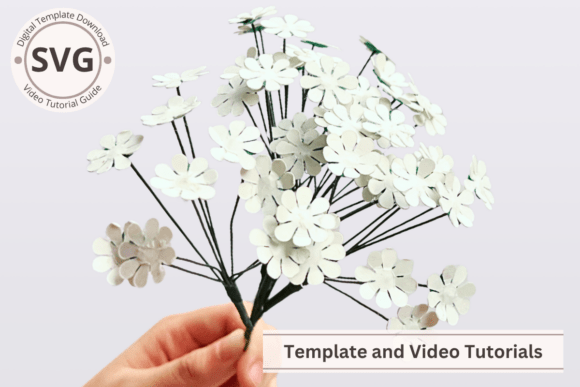
There is a distinct charm to Gypsophila, commonly known as Baby’s Breath, that translates beautifully into paper crafts. Its delicate, cloud-like appearance adds volume and elegance to any floral arrangement without overpowering the focal blooms. However, achieving that airy, natural look with cardstock or crepe paper is often more challenging than it appears. Many crafters dive into projects expecting quick results, only to find their flowers look stiff, uniform, or disproportionately large. This is where a high-quality Paper Gypsophila Baby s Breath Template becomes an invaluable asset rather than just another digital download.
Using a professionally designed template, such as the one offered by Bloomingdale Collections, bridges the gap between amateur attempts and professional-grade decor. These templates are not merely shapes; they are engineered solutions for creating realistic stemmed bouquets, wreaths, and centerpieces. Yet, even with the right files, success depends on understanding the nuances of papercraft execution. Let’s explore common pitfalls and how to avoid them to ensure your final creation is nothing short of stunning.
The Misconception of "One-Size-Fits-All" Scaling
One of the most frequent errors beginners make is arbitrarily resizing SVG files. When you purchase a Paper Flower Baby s Breath Round Template, it comes pre-measured to an ideal size. This sizing is calculated based on the structural integrity of the paper and the visual proportion of the flower head to the stem. Resizing the file significantly larger can result in petals that droop or fail to hold their shape, while shrinking it too much makes assembly frustratingly difficult due to the tiny surface area for glue application.
The Fix: Trust the designer’s dimensions. If you need a different size, look for templates specifically scaled for that purpose or adjust incrementally while testing with scrap paper first. The included material list in your video tutorial package is calibrated for the default size, ensuring you buy the correct weight of cardstock or crepe paper. Deviating from these specs without testing often leads to wasted materials and frustration.
Overlooking the Importance of Paper Weight and Texture
Another critical oversight is selecting the wrong paper type. Gypsophila requires a specific texture to mimic the organic feel of real flowers. Using heavy, glossy cardstock will result in rigid, plastic-looking blooms that lack the softness associated with Maiden’s Breath. Conversely, paper that is too thin may tear during the shaping process or fail to support the weight of the clustered petals.
The Fix: Refer to the Material Guide PDF included with your template. Typically, lightweight cardstock (65-80 lb) or high-quality crepe paper works best. If you are aiming for a matte, natural finish, consider using textured paper or lightly sanding the edges of your cut pieces to remove the sharp, manufactured look. This small step adds a layer of realism that elevates the entire bouquet.
Neglecting the Step-by-Step Video Tutorial
In the age of instant gratification, many users skip the instructional content, assuming they can figure out the assembly by looking at the SVG layers. This is a mistake. The Video Tutorial provided with the Paper Gypsophila template is not just a formality; it is a crucial component of the product. It demonstrates techniques for curling petals, attaching sepals, and wiring stems that are difficult to convey through static images alone.
The Fix: Watch the tutorial in its entirety before cutting your first piece of paper. Pay attention to the hand movements and tool usage. Notice how the creator shapes each petal to create volume. Skipping this step often results in flat, lifeless flowers. By following the guided process, you learn the rhythm of the craft, which speeds up production time and improves consistency across multiple blooms.
Ignoring the Role of Sepals and Stem Wrapping
A common aesthetic failure in DIY paper flowers is the visible transition between the flower head and the stem. Many crafters focus entirely on the petals and neglect the Baby s Breath Sepals SVG File included in the template. Without proper sepals and neat stem wrapping, the arrangement looks unfinished and amateurish.
The Fix: Use the sepal files to cover the base of the flower head where the petals attach to the wire. This hides glue residues and creates a seamless transition. Additionally, take your time with floral tape when wrapping the stems. Stretch the tape as you wrap to activate its adhesive properties, ensuring a smooth, tight finish that mimics natural plant stems. This attention to detail is what distinguishes a hobbyist project from a professional centerpiece.
Underestimating the Time Investment for Volume
Gypsophila is a filler flower, which means you need many individual blooms to create impact. Beginners often underestimate the quantity required for a full bouquet or wreath, leading to incomplete projects or rushed work that compromises quality. Creating a lush arrangement requires patience and repetition.
The Fix: Plan your project scope realistically. If you are making a centerpiece, calculate the number of stems needed and double it to account for practice runs and variations. Set up an assembly line process: cut all petals first, then shape them, then assemble. This batch processing is far more efficient than making one complete flower at a time. The Digital SVG format allows you to cut multiple layers simultaneously if your machine permits, further speeding up the initial stages.
Legal and Ethical Usage of Digital Templates
Finally, it is essential to respect the intellectual property rights associated with digital craft templates. The license from Bloomingdale Collections explicitly prohibits reselling, sharing, or distributing the templates, tutorials, or instructional materials. Violating these terms not only harms the creators who invest time in designing precise SVGs but also exposes you to legal risks.
The Fix: Use the template for personal projects or to create finished physical products for sale, if permitted by the specific license terms (always verify the current license details). Never share the digital files with friends or upload them to free download sites. Supporting designers ensures they continue to produce high-quality, tested templates like the Paper Gypsophila Baby s Breath Template, benefiting the entire crafting community.
Final Thoughts on Crafting Success
Creating beautiful paper flowers is a journey of precision and patience. By avoiding common mistakes such as improper scaling, incorrect paper selection, and skipping tutorials, you can achieve professional results. The Paper Flower Baby s Breath Round Template provides the foundation, but your attention to detail brings it to life. Whether you are crafting a wedding bouquet, a home decor wreath, or a gift box arrangement, the key lies in respecting the process and utilizing the resources provided. With the right approach, your DIY papercraft projects will become cherished pieces that capture the delicate beauty of nature.