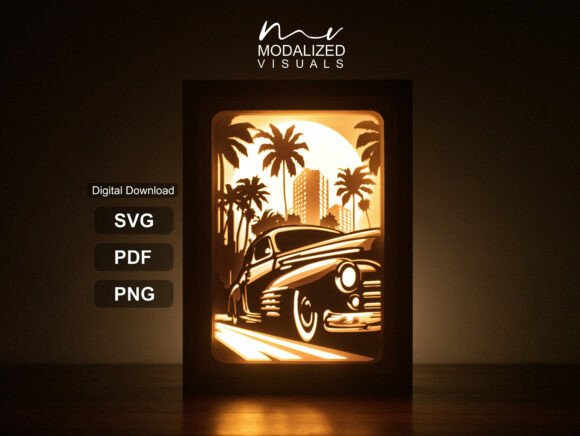
Classic Car Lightbox Paper Cut: Vintage Style
There is a distinct nostalgia associated with the golden age of automobiles. The sweeping curves of a 1950s convertible, the aggressive stance of a muscle car, and the intricate chrome details of vintage roadsters evoke a sense of timeless elegance that modern vehicles often lack. Bringing this automotive heritage into your personal or professional space does not require a full-scale restoration project or an expensive museum piece. Instead, the Classic Car Lightbox Paper Cut offers a sophisticated, accessible way to celebrate automotive history through layered artistry. This design transforms flat paper into a three-dimensional narrative, capturing the soul of vintage machinery in a format that is both visually striking and deeply personal.
At its core, this concept relies on the ancient art of papercutting, reimagined for the modern maker. By stacking multiple layers of precisely cut paper, artists create depth and shadow that mimic the contours of a real vehicle. When placed inside a lightbox or shadow box frame, the illumination highlights these layers, casting soft shadows that accentuate the grille, headlights, and body lines. The result is a glowing tribute to automotive design that feels alive. For enthusiasts, collectors, and DIY creators, the Classic Car Lightbox Paper Cut serves as more than just decor; it is a conversation starter and a testament to the enduring appeal of classic engineering.
The Art of Layered Depth and Illumination
What sets this specific style of artwork apart from standard prints or posters is the tangible sense of dimension. A traditional photograph captures a moment, but a layered paper cut captures volume. Each layer represents a different plane of the car, from the distant background scenery to the foreground bumper. When light passes through these gaps, it creates a natural gradient of shadows that gives the illusion of movement and solidity.
The strength of this medium lies in its versatility. You can choose high-contrast black silhouettes for a dramatic, noir-like aesthetic, or utilize colored cardstock to replicate the original paint jobs of iconic models. The lighting itself plays a crucial role. Warm LED strips tend to enhance the nostalgic feel, casting a golden glow reminiscent of streetlamps in a bygone era, while cool white lights can emphasize the crispness of the cuts and the precision of the design. This interplay between material and light makes the Classic Car Lightbox Paper Cut a dynamic piece that changes character depending on the time of day and the ambient lighting of the room.
Practical Applications Across Environments
While the immediate thought might be to hang this artwork in a home garage or man cave, the applications extend far beyond residential decor. Professionals and business owners can leverage this aesthetic to build brand identity and enhance customer experiences.
- Automotive Showrooms and Dealerships: A well-placed lightbox featuring a classic model can reinforce a dealership's appreciation for heritage, appealing to buyers looking for reliability and style.
- Creative Workspaces: For designers, architects, and engineers, having a Classic Car Lightbox Paper Cut in the office serves as a reminder of great design principles. It inspires creativity and adds a touch of personality to otherwise sterile corporate environments.
- Hospitality Venues: Bars, lounges, and boutique hotels with a retro or industrial theme can use these pieces to create immersive atmospheres without the need for heavy renovation.
- Educational Settings: In art classes or history lessons, assembling these layers can teach students about perspective, light physics, and the evolution of industrial design.
For marketers and content creators, documenting the assembly process or showcasing the final illuminated product provides excellent visual content. The tactile nature of the paper and the dramatic reveal when the lights turn on make for compelling social media posts that drive engagement.
Benefits for Makers and Collectors
Engaging with a Classic Car Lightbox Paper Cut project offers several tangible benefits. First, it promotes mindfulness. The process of cutting, layering, and assembling requires focus and patience, providing a therapeutic break from digital screens. Second, it allows for customization. Unlike mass-produced wall art, you have control over the color palette, the specific car model, and the framing style, ensuring the final piece aligns perfectly with your interior design goals.
From a usability standpoint, these lightboxes are lightweight and easy to mount compared to heavy metal signs or framed canvas. They also consume very little energy, especially when paired with modern LED technology, making them an eco-friendly choice for long-term display. For those who sell handmade goods, offering custom commissions of specific car models can be a lucrative niche, tapping into a passionate community of collectors who value bespoke items.
Selecting and Implementing Your Design
If you are considering adding this element to your space or starting a new craft project, there are a few practical considerations to keep in mind. The quality of the paper is paramount. Cardstock with a weight of 65lb to 80lb usually holds its shape best while still allowing light to diffuse softly. Thinner paper may warp under the heat of lights or fail to cast defined shadows, while thicker board might be difficult to cut with precision.
Spacing is another critical factor. To achieve the desired 3D effect, ensure there is adequate distance between each layer. Using foam tape or specialized spacers during assembly will create the necessary depth. When choosing a frame, opt for a deep shadow box rather than a standard picture frame to accommodate the layers comfortably. Finally, consider the placement of the light source. Rear lighting provides a silhouette effect, while side lighting can highlight the texture of the paper edges.
Whether you are a seasoned papercraft artist or a hobbyist looking for a weekend project, the Classic Car Lightbox Paper Cut bridges the gap between mechanical admiration and artistic expression. It honors the legacy of automotive innovation while providing a fresh, creative outlet for modern decorators. By bringing these timeless machines to life through light and paper, you create a focal point that resonates with history, craftsmanship, and style.