Mastering the Buzzing Bees Box Card SVG for Professional Results
Crafting a three-dimensional greeting card that doubles as a decorative display piece requires more than just a cutting machine and enthusiasm. The Buzzing Bees Box Card SVG has become a popular choice among paper crafters because it bridges the gap between a traditional flat card and an elaborate pop-up sculpture. However, many creators rush into the assembly process without fully understanding the structural nuances of this specific design. This oversight often leads to cards that do not fold flat, envelopes that are too tight, or aesthetic choices that clash with the playful bee theme. By approaching this project with a strategic mindset, you can avoid common pitfalls and produce a polished, professional-quality item suitable for mailing or gifting.
Understanding the Structural Mechanics
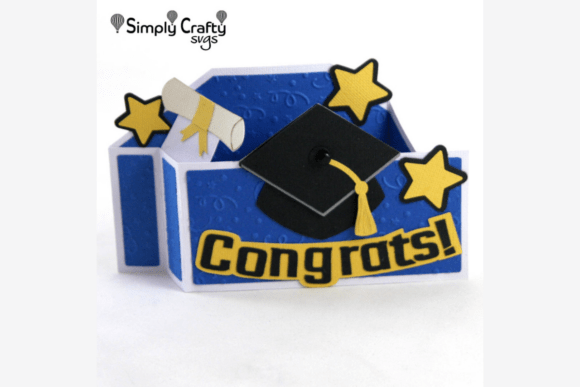
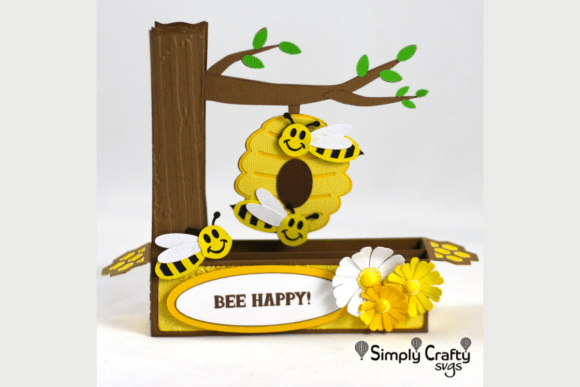
Before you load your cardstock, it is essential to understand what makes the Buzzing Bees Box Card unique. Unlike standard pop-ups that rely on simple folds, this design creates a self-supporting box structure when opened. It stands upright as a decorative display, offering a dynamic visual experience for the recipient. Yet, it must also flatten completely to fit into the included envelope. This dual functionality is where most beginners encounter difficulties. If the score lines are not crisp or if the wrong weight of paper is used, the mechanism will either fail to stand properly or become too bulky to mail.
The file includes flattened dimensions of 7” x 6”, which is slightly larger than a standard A2 card. This size provides ample room for the intricate bee elements but demands precision. Many crafters mistakenly assume that any cardstock will suffice. In reality, the structural integrity of the box relies heavily on the rigidity of the base material. Using paper that is too thin will result in a sagging display, while paper that is too thick may crack along the score lines, ruining the clean look of the final product.
Common Material Mistakes and How to Avoid Them
One of the most frequent errors involves the selection of cardstock. For the Buzzing Bees Box Card SVG, the recommendation is to use two 12” x 12” sheets of high-quality textured cardstock. Brands like American Crafts AC Textured Cardstock in colors such as Truffle, White, Tangerine, Sunflower, Moss, and Lemon are ideal because they offer the right balance of flexibility and strength.
- Avoid lightweight copy paper: It lacks the stiffness needed for the box to stand upright.
- Avoid overly stiff chipboard: It will resist folding and may tear at the hinges.
- Check grain direction: Aligning the grain correctly ensures smoother folds and a cleaner finish.
Another overlooked detail is the use of patterned paper for the smaller elements. While the base requires solid, sturdy cardstock, the decorative bees and flowers can be crafted from lighter pattern paper. This reduces bulk and allows the intricate cut details to shine without adding unnecessary weight to the mechanism. If you use heavy cardstock for every single layer, the card may become too thick to close securely, defeating the purpose of the included envelope template.
Precision in Cutting and Scoring
The difference between a amateur-looking card and a professional one often lies in the scoring. The Buzzing Bees Box Card features multiple fold lines that must be accurate to ensure the box collapses flat. A common mistake is relying solely on the cutting blade to create weak points for folding. Instead, you should use a dedicated scoring tool or the score line feature on your digital cutter.
If you find that your card does not fold flat, check your score lines. They should be deep enough to guide the fold but not so deep that they cut through the paper. Burnishing each fold with a bone folder before assembly is a critical step that many hobbyists skip. This action pre-creases the fibers of the paper, ensuring that the final assembly is crisp and uniform. Without this step, the card may appear warped or uneven when displayed.
Customization and Sentiment Placement
The file comes with two layered printable sentiments: “Bee Happy” and “Happy Bee-Day.” These are designed to be visually striking, but their placement is crucial. A frequent error is attaching these sentiments directly to the moving parts of the box. When the card is opened and closed, text attached to flexible flaps can become distorted or difficult to read.
A better approach is to use the blank tag included in the file for personalized messages. This tag can be attached to a stable part of the card or tied with twine for a rustic touch. This method preserves the integrity of the pre-designed sentiments while allowing for personalization. Additionally, ensure that any ink or embossing used on these elements is completely dry before assembly. Smudged ink on a complex 3D structure is nearly impossible to fix without dismantling the entire card.
Envelope Fit and Mailing Considerations
The inclusion of a coordinating envelope template is a significant advantage of the Buzzing Bees Box Card SVG. However, creating an envelope that actually fits requires attention to detail. Many crafters make the mistake of using standard envelope sizes, which may be too small for the 7” x 6” flattened card. Always use the provided template to ensure a perfect fit.
When assembling the envelope, consider the thickness of the card. If you have added extra embellishments like gems, thick foam adhesive, or multiple layers of glitter paper, the envelope may bulge or burst during mailing. To avoid this, keep embellishments minimal and flat. If you plan to mail the card, test the fit by placing the flattened card inside the envelope before sealing it. There should be enough room for the card to slide in easily without forcing it, which could damage the corners.
Assembly Strategy for Best Results
Assembly is where all previous steps come together. The project includes a step-by-step video tutorial, which is an invaluable resource. Do not skip this tutorial, even if you are an experienced crafter. The specific sequence of folding and gluing for this box design is counter-intuitive for some. Gluing the wrong flap first can lock you out of accessing other connection points, leading to frustration and potential damage.
Use a fine-tip glue applicator for precision. Large blobs of glue can seep out and stain the visible areas of the card, particularly when working with light colors like Sunflower or White. Allow each glued section to dry partially before moving to the next step. This prevents shifting and ensures that the structural bonds are strong. Patience during assembly is key to achieving a clean, professional result that honors the playful yet sophisticated design of the bee theme.
By paying attention to material selection, scoring precision, and assembly order, you can transform the Buzzing Bees Box Card SVG from a simple digital file into a stunning handmade creation. Whether you are making it for a birthday, a thank-you note, or just to brighten someone’s day, these practical adjustments will ensure your card stands out for all the right reasons.