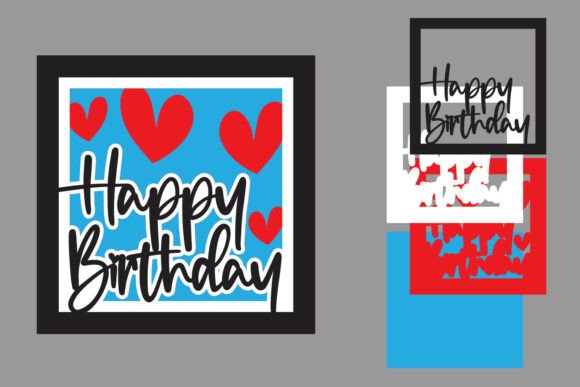
Happy Birthday Layered Papercut Design Guide
Elevating a simple greeting into a tactile visual experience requires precision, depth, and an understanding of spatial composition. The Happy Birthday Layered Papercut style has emerged as a powerful trend in modern graphic design, bridging the gap between traditional craft aesthetics and digital versatility. This technique is not merely about stacking shapes; it is about creating a narrative through shadow, light, and dimensionality that captures attention instantly.
From a professional design perspective, incorporating layered elements allows creators to establish a strong visual hierarchy. When you utilize a Happy Birthday Layered Papercut asset, you are leveraging a pre-engineered structure that mimics the intricate art of paper engineering. This approach adds sophistication to any creative project, whether it is a digital social media post or a high-end printed invitation. The interplay of layers creates depth, guiding the viewer’s eye through the composition in a way that flat design often cannot achieve.
The Strategic Value of Layered Visuals in Branding
In the realm of brand identity and visual communication, consistency and uniqueness are paramount. A layered papercut aesthetic offers a distinct look that can strengthen brand recognition. By integrating these complex structures into your branding strategy, you signal attention to detail and a commitment to quality. This style works exceptionally well for businesses aiming to convey warmth, creativity, and personalization.
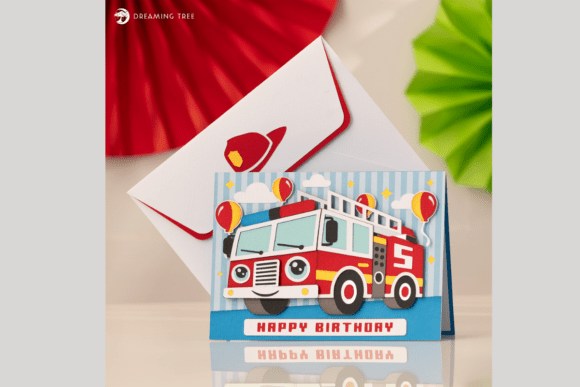
Consider the impact on digital marketing campaigns. Social media feeds are crowded with static, two-dimensional images. A design that simulates three-dimensional depth stands out, increasing engagement rates. When users encounter a Birthday Card Layered design that appears to pop off the screen, they are more likely to pause, interact, and share the content. This immediate visual impact is crucial for effective social media graphics and advertising campaigns.
Practical Applications Across Design Mediums
The versatility of layered papercut assets extends far beyond greeting cards. Here is how designers can integrate this style into various workflows:
- Packaging Design: Use layered elements to create intricate patterns on boxes or labels, enhancing the unboxing experience.
- Web and UI Design: Incorporate subtle layered shadows and cutouts to add depth to landing pages or user interfaces without compromising load times.
- Editorial Layouts: Break up text-heavy pages with decorative layered headers or footers that maintain visual interest.
- Merchandise: Apply these designs to tote bags, posters, or apparel for a unique, artisanal feel.
For those working in print design, the physical manifestation of these layers can be achieved through die-cutting or embossing, translating the digital file into a tangible luxury item. In web design, these assets can be animated using CSS or JavaScript to create interactive parallax effects, further enhancing UX design by providing feedback and delight.
Technical Precision and Workflow Efficiency
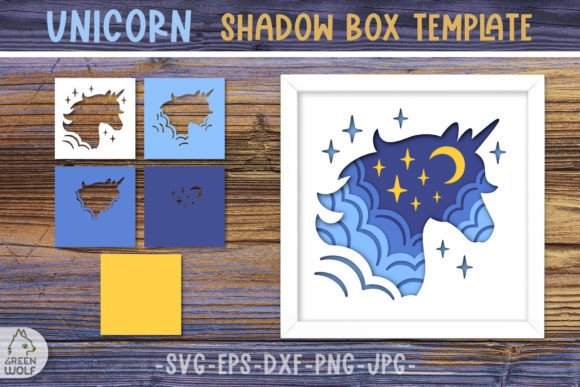
A major advantage of using professional-grade assets is the efficiency they bring to your design workflow. When you acquire a high-quality Happy Birthday Layered Papercut file, you are saving hours of manual vector construction. The key lies in the file format and organization. Your file will be delivered as an instant digital download, ensuring immediate access to your creative tools. Specifically, your file will be delivered as a zip file that SVG, DXF, EPS, AI, PNG size 5x5 Layered with envelope Thank You Happy Crafting.
This comprehensive format support ensures compatibility across industry-standard software. Whether you prefer Adobe Illustrator for vector editing, Cricut Design Space for cutting machines, or Photoshop for raster manipulation, the included formats cover all bases. The SVG and DXF files are ideal for precision cutting, while the AI and EPS files allow for easy color customization to match specific color palette requirements. The PNG provides a quick preview or a ready-to-use element for digital compositions where layer editing is not required.
Optimizing for Visual Impact
To maximize the effectiveness of these assets, consider the following design principles:
- Color Contrast: Ensure sufficient contrast between layers to make the depth perceptible. Subtle gradients can enhance the 3D effect.
- Shadow Management: Realistic drop shadows are essential for the papercut illusion. Adjust opacity and blur to mimic natural light sources.
- Scalability: Vector formats like SVG and AI ensure that your design remains crisp at any size, from a small icon to a large banner.
- Contextual Harmony: Align the whimsical nature of papercut art with the overall tone of your creative projects. It works best for celebratory, friendly, or artisanal brands.
Ultimately, the goal of using such detailed assets is to enhance communication through aesthetics. A well-executed layered design does not just look good; it feels intentional. It respects the viewer’s intelligence by offering visual complexity that rewards closer inspection. By choosing high-quality, versatile assets, designers can elevate their output, ensuring that every project reflects a premium standard of visual design. Embrace the depth and texture that layered papercut styles offer, and watch your creative communications resonate more deeply with your audience.