Dragon Skull Planter: Dark Fantasy Decor
Bringing a touch of the mythical into your everyday space doesn't require a massive renovation or an expensive antique hunt. Sometimes, all it takes is a single, striking object that tells a story. The Dragon Skull Planter is exactly that kind of piece. It is more than just a container for your plants; it is a conversation starter, a centerpiece for your gaming table, and a testament to the incredible capabilities of modern 3D printing. Whether you are a seasoned collector of fantasy memorabilia or someone looking to add a bit of gothic flair to a quiet office corner, this design offers a unique blend of artistic expression and practical utility.
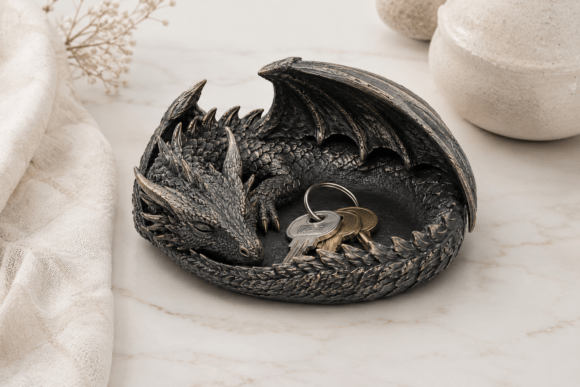
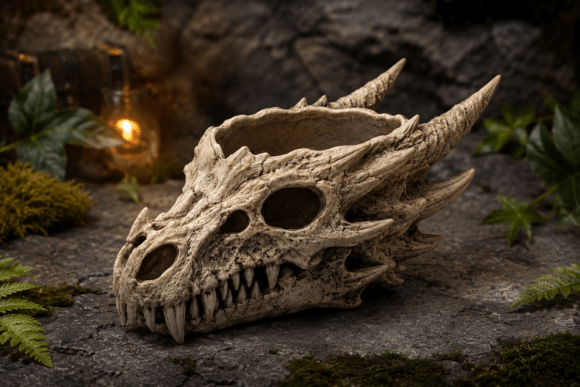
At its core, this item is a digital STL file designed for 3D printing. When brought to life through resin or FDM printing, it transforms into a highly detailed sculpture featuring intricate skeletal textures, sharp horns, and dramatic organic detailing. The design captures the essence of a ancient beast, making it perfect for housing succulents, air plants, or even serving as a standalone desk accessory. The appeal lies in its versatility. It fits seamlessly into gothic interiors, enhances tabletop-inspired displays for Dungeons & Dragons sessions, and adds a layer of depth to any fantasy collection.
Why This Design Stands Out
What makes the Dragon Skull Planter so compelling is the balance between creature-inspired sculpting and functional design. Many decorative items look great from afar but fail in practice, often lacking stability or proper drainage considerations. This model, however, is engineered with the maker in mind. It is designed for clean printing, ensuring that even beginners can achieve stunning surface details without excessive post-processing. The hollow interior provides ample space for soil and roots, while the exterior boasts the kind of high-fidelity texture that usually requires professional sculpting.
For those who love dark fantasy energy, this planter delivers immediately. The sharp horns and weathered bone aesthetic evoke images of dungeon corridors and dragon lairs, yet it remains refined enough for a modern living room shelf. It appeals to a wide audience, from cosplay prop makers looking for authentic accessories to educators wanting to engage students with creative biology projects involving hardy plants like cacti or snake plants. The value proposition is clear: you get a custom-looking art piece for the cost of filament and a few hours of print time.
Ideal Uses for Makers and Collectors
The applications for this dragon skull container are nearly endless, limited only by your imagination and the size of your printer. Here are a few ways enthusiasts are currently utilizing this design:
- Gaming Setups: Place it on the DM screen or near the initiative tracker to set the mood for a campaign. It serves as an immersive prop that signals to players they have entered a dangerous realm.
- Desk Decor: Break up the monotony of a standard workspace. A small succulent growing out of the eye socket of a dragon skull adds personality and a bit of edge to a corporate or home office environment.
- Gothic Interiors: Use it as part of a larger vignette alongside candles, old books, and other medieval-style aesthetics to create a cohesive theme in your home.
- Gift Giving: For the friend who has everything, a hand-painted dragon planter is a thoughtful, personalized gift that shows you understand their specific interests in fantasy and gaming.
Professionals and entrepreneurs in the creative space also find value here. Small business owners who sell 3D printed goods can use this file to create inventory for craft fairs or online stores. Because the design is so visually striking, it photographs well for social media marketing, helping to drive engagement for brands focused on geek culture or alternative home decor.
Printing and Customization Options
One of the most exciting aspects of working with the Dragon Skull Planter STL file is the control you have over the final appearance. By default, this is a single-color STL file, which means the printer will lay down one material throughout the build. However, this limitation is actually a canvas for creativity. If you want a multi-colored result, there are several accessible methods to achieve it.
For users with advanced hardware, such as printers equipped with an AMS (Automatic Material System) or MMU (Multi-Material Unit), you can automate color changes. This allows for seamless transitions between bone whites, aged yellows, or even magical glowing effects without manual intervention. Alternatively, if you are using software like Bambu Studio or PrusaSlicer, you can utilize color painting tools to assign different filaments to specific layers or regions before the print starts. This technique lets you swap filament mid-print for clean color changes, perhaps making the teeth a darker shade than the cranium.
If you prefer a hands-on approach, hand-painting your print after completion offers the highest level of customization. You can use acrylics to add weathering effects, simulate moss growth in the crevices, or paint the eyes with a glossy finish to make them pop. Mixing these techniques often yields the best results, combining the precision of slicer-based coloring with the artistic freedom of post-print painting.
Important Considerations Before You Start
Before diving into your first print, there are a few practical things to keep in mind to ensure success. First, consider your printer type. While this design works for both FDM (filament) and resin printers, the level of detail will vary. Resin printing will capture the finest skeletal textures and porous bone details, making it ideal for smaller, display-focused pieces. FDM printing is excellent for larger planters intended to hold heavier soil and bigger plants, provided you use a nozzle small enough to capture the horn details.
Secondly, think about plant care. Since this is a decorative container, ensure you account for drainage. Succulents and air plants generally require less water, but if you plan to use soil that retains moisture, you may need to drill a small hole in the base or use a plastic liner inside the skull to prevent water damage to your print or your furniture. Additionally, if you are printing in white or light-colored filament, be aware that some soils can stain the interior over time; a sealant spray can help protect the finish.
Finally, remember that this is a digital product. You are purchasing the license to print the object, not a physical item shipped to your door. This distinction is important for setting expectations. It empowers you to become the manufacturer, allowing you to print multiple copies for gifts or to experiment with different materials until you find the perfect look for your collection.
In summary, the Dragon Skull Planter is a fantastic project for anyone looking to merge their love for fantasy with the tangible rewards of 3D printing. It solves the problem of finding unique, themed decor that doesn't look mass-produced. Whether you are decorating a gaming room, creating props for a convention, or simply enjoying the process of bringing a digital file to life, this design offers a rewarding experience. With its immersive fantasy appearance and adaptable nature, it stands as a prime example of how technology can fuel our creativity and bring our favorite stories into the real world.